
In recent years, the growing demand for eco-friendly solutions in building design has brought attention to the importance of energy-efficient windows. As the world grapples with climate change, the construction and architecture industries are increasingly focusing on sustainable materials and designs that minimize environmental impact. Windows, as one of the most significant elements of a building’s envelope, play a crucial role in reducing energy consumption, enhancing comfort, and contributing to overall sustainability. One of the most important factors in eco-friendly window solutions is their ability to improve insulation. High-quality, energy-efficient windows are designed to reduce heat transfer, keeping buildings warmer in winter and cooler in summer. This minimizes the reliance on artificial heating and cooling systems, which can be responsible for a significant portion of a building’s energy consumption. By enhancing a building’s thermal performance, eco-friendly windows can lower utility costs and reduce carbon emissions associated with energy use.
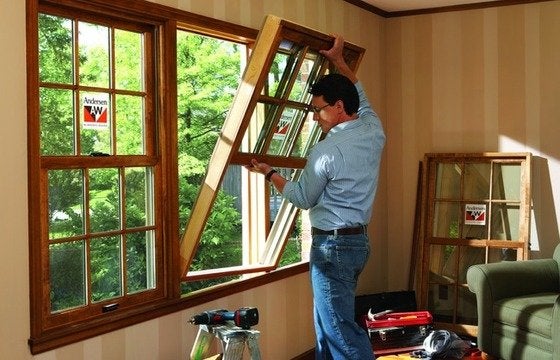
Another key consideration in sustainable window solutions is the materials used in their construction. Eco-conscious manufacturers are increasingly turning to renewable and recycled materials, such as fiberglass, wood, and aluminum, to produce windows that are not only durable but also have a minimal environmental footprint. These materials are often more sustainable than traditional options like vinyl or plastic, as they can be sourced responsibly, my response is often recyclable, and typically have longer life spans, which reduces the need for frequent replacements. The integration of low-emissivity Low-E coatings into windows is advancement in eco-friendly design. These coatings are thin layers of metal or metal oxide that are applied to the surface of the glass to improve energy efficiency. Low-E windows are designed to reflect heat back into a building while allowing natural light to pass through, reducing the need for artificial lighting and maintaining comfortable indoor temperatures. This technology helps buildings stay cooler in summer and warmer in winter, improving energy performance year-round.
Furthermore, eco-friendly windows often feature double or triple glazing, which involves multiple panes of glass separated by air or gas-filled spaces. This multi-layer design enhances thermal insulation and noise reduction, offering both energy-saving and comfort benefits. The spaces between the panes serve as an insulating barrier that helps to prevent heat loss and gain, making the building more energy-efficient and reducing the overall environmental impact. Modern window solutions also focus on improving the aesthetic appeal of buildings while maintaining sustainability. Many eco-friendly windows are designed to blend seamlessly with a wide variety of architectural styles, offering both functionality and visual appeal. Whether installed in residential homes or commercial buildings, these windows contribute to a more sustainable and aesthetically pleasing environment. By combining energy efficiency with attractive design, eco-friendly windows are becoming an essential part of the push toward greener, more sustainable building practices. As sustainability continues to shape the future of construction, eco-friendly window solutions represent a crucial step forward in achieving energy-efficient, environmentally responsible buildings.
