
Learning piano with the help of digital instruments offers an exciting blend of tradition and modern technology, transforming the way people approach this classic instrument. Digital pianos and keyboards come equipped with a wide array of features and tools that can make learning more accessible, interactive, and efficient for beginners and advanced players alike. One of the most effective ways to learn piano using digital tools is by incorporating built-in learning programs. Many digital pianos come with tutorials and step-by-step guides that teach you how to play songs from various genres, helping you build both your technical skills and musical knowledge. These tools often provide real-time feedback, showing you whether you are playing the correct notes or rhythm, which can accelerate your progress. Some instruments even include a visual aid, such as a light-up keyboard, to guide your fingers to the correct keys, making it easier to follow along. Another useful feature on many digital pianos is the ability to connect to apps or software programs that enhance your learning experience.
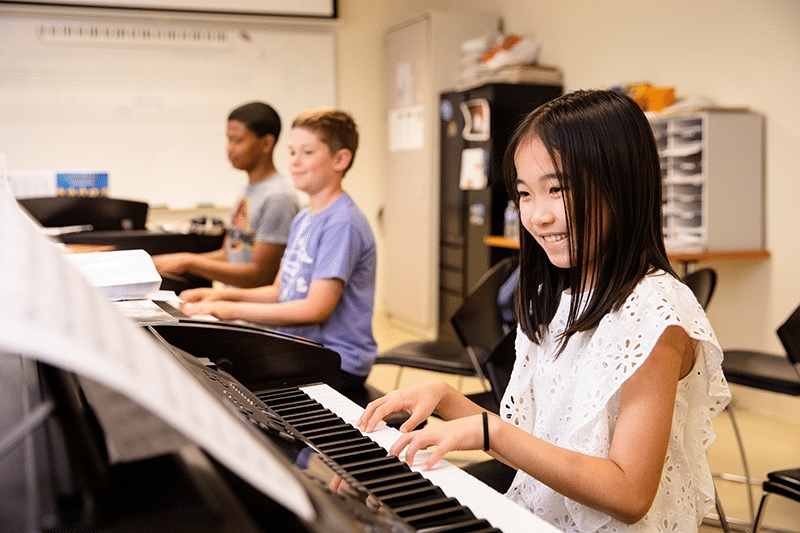
These apps often feature interactive lessons, sheet music, and exercises designed to improve sight-reading, finger placement, and hand coordination. The connection with these digital platforms allows you to track your progress, set goals, and receive tailored feedback, which creates a more personalized learning experience. Many apps also include play-along tracks, allowing you to practice with accompaniments that mimic real instruments, making your practice sessions feel more dynamic and enjoyable. For learners who prefer to engage with music theory, digital instruments often have features like built-in chord dictionaries, metronomes, and tempo adjusters. These tools help to solidify fundamental concepts such as scales, chord progressions, and rhythm patterns, which are essential for understanding how music works. By experimenting with different settings and functions on a digital piano, you can also explore a variety of sounds and tones, from classic acoustic piano sounds to electric pianos and synthesizers and discover this info here. This versatility can spark creativity, allowing you to experiment with various musical styles and genres that you may not have otherwise considered.
Additionally, the practice of recording your playing can be an invaluable learning tool. Digital pianos typically have the ability to record your sessions, enabling you to listen back and identify areas for improvement. This is particularly useful for refining your technique, timing, and expression, as you can analyze your playing objectively. Listening to your recordings also allows you to track your progress over time, providing motivation and a sense of achievement as you hear how much you have improved. One of the most beneficial aspects of learning piano on a digital instrument is the option to practice silently. With the use of headphones, you can play without disturbing others, making it easier to practice at any time of day or night. This also means that you can focus entirely on the music without external distractions. The flexibility of practicing at your own pace and on your own schedule is a significant advantage, especially for those with busy lifestyles or limited access to traditional lessons.
