
Granite surfaces are highly valued for their durability, elegance, and natural beauty, making them a popular choice for countertops, flooring, and decorative elements in both residential and commercial settings. However, even the toughest granite can succumb to chips, cracks, stains, and dullness over time. To maintain the pristine appearance of granite surfaces, professionals rely on specialized tools and products designed specifically for granite repair and restoration. One of the most essential tools in granite surface repair is the diamond polishing pad. These pads are used to grind, hone, and polish granite surfaces, restoring their glossy finish and eliminating scratches or etching caused by acidic substances. Typically, available in varying grits, from coarse to ultra-fine, these pads are often used with water to reduce friction and heat buildup, preventing damage to the stone. Diamond polishing pads are compatible with hand polishers and floor machines, allowing for versatile use in both small touch-ups and extensive restoration projects.
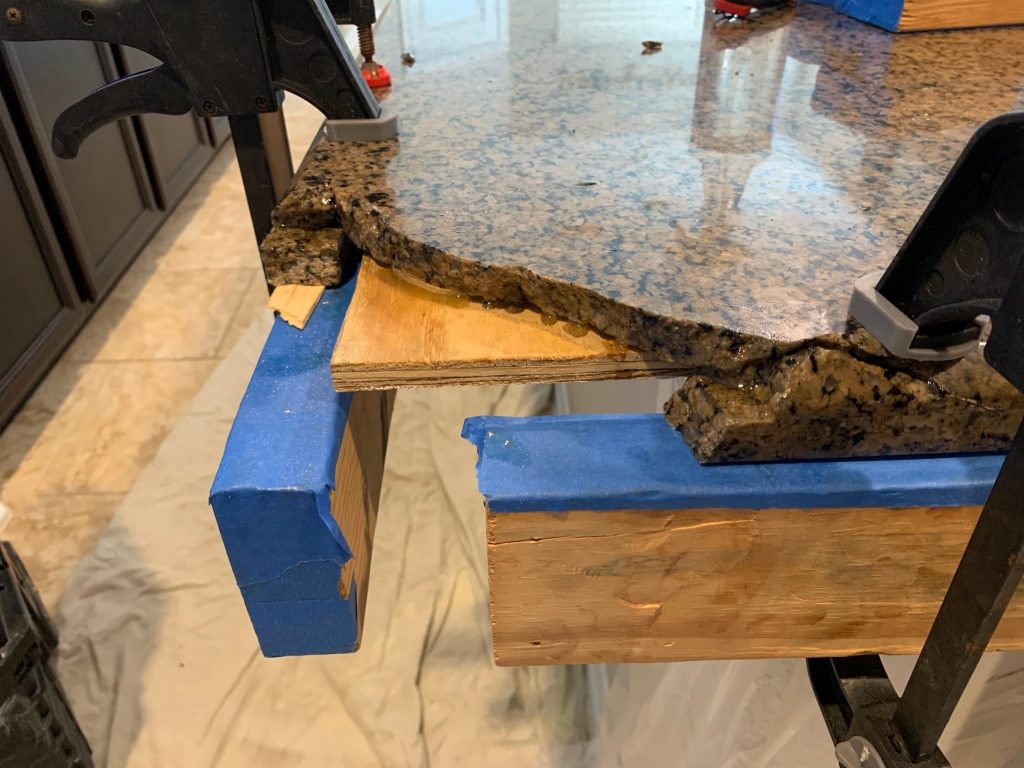
For minor repairs, such as filling chips or cracks, stone repair kits are indispensable. These kits generally include epoxy resin or acrylic-based fillers that can be tinted to match the granite’s natural color, ensuring a seamless repair. Epoxy resins are particularly favored for their strength and durability, forming a bond that withstands daily use. Some advanced kits also come with curing agents or hardeners to speed up the process, allowing for quicker turnaround times. Once the repair is complete, the area can be lightly sanded and polished to blend with the surrounding surface. Granite repair professionals also rely on color-matching compounds. These specially formulated substances can be mixed to replicate the unique veining and coloration of the damaged granite. Achieving a precise color match is crucial to making repairs virtually invisible, and high-quality pigments are often added to the filler material during the mixing process. Some products also feature UV-resistant components to maintain color integrity over time, particularly in areas exposed to direct sunlight.
Sealants play a critical role in granite maintenance and protection. A high-quality granite sealer forms an invisible barrier that repels water, oils, and other staining agents. Penetrating sealers are preferred for their ability to sink into the porous stone, offering long-lasting protection without altering the granite’s natural appearance. Regular sealing is essential to preserve the stone’s aesthetic appeal and structural integrity, especially in areas prone to moisture and spills, such as kitchens and bathrooms. Stain removal is another critical aspect of granite maintenance. Specialized poultice powders are commonly used to draw out deep stains from the stone. When mixed with water or a solvent, these powders form a paste that is applied to the stained area and covered to prevent drying. Over time, the poultice absorbs the stain, leaving the granite clean and renewed click here for more info in metapress.com. For organic stains, enzymatic cleaners are often preferred, while rust and metal stains may require acidic formulations designed specifically for natural stone.
