
Isopods are among the most captivating yet often overlooked creatures on Earth. Found in oceans, freshwater habitats, and even backyard gardens, these resilient crustaceans demonstrate how life can thrive in nearly every environment. From tiny soil dwellers to deep-sea giants, isopods showcase nature’s extraordinary creativity, adaptability, and diversity.
What Are Isopods?
Isopods belong to the crustacean family, related to crabs and shrimp. They are recognized by their segmented bodies, multiple legs, and protective exoskeletons.
Key characteristics include:
- Seven pairs of legs
- Flattened, segmented bodies
- Hard outer shells for protection
- Antennae used for sensing surroundings
Their name means equal foot, referring to their similar-looking legs. Despite their simple structure, isopods are incredibly versatile and successful in a wide range of postpods ecosystems.
Remarkable Diversity across Habitats
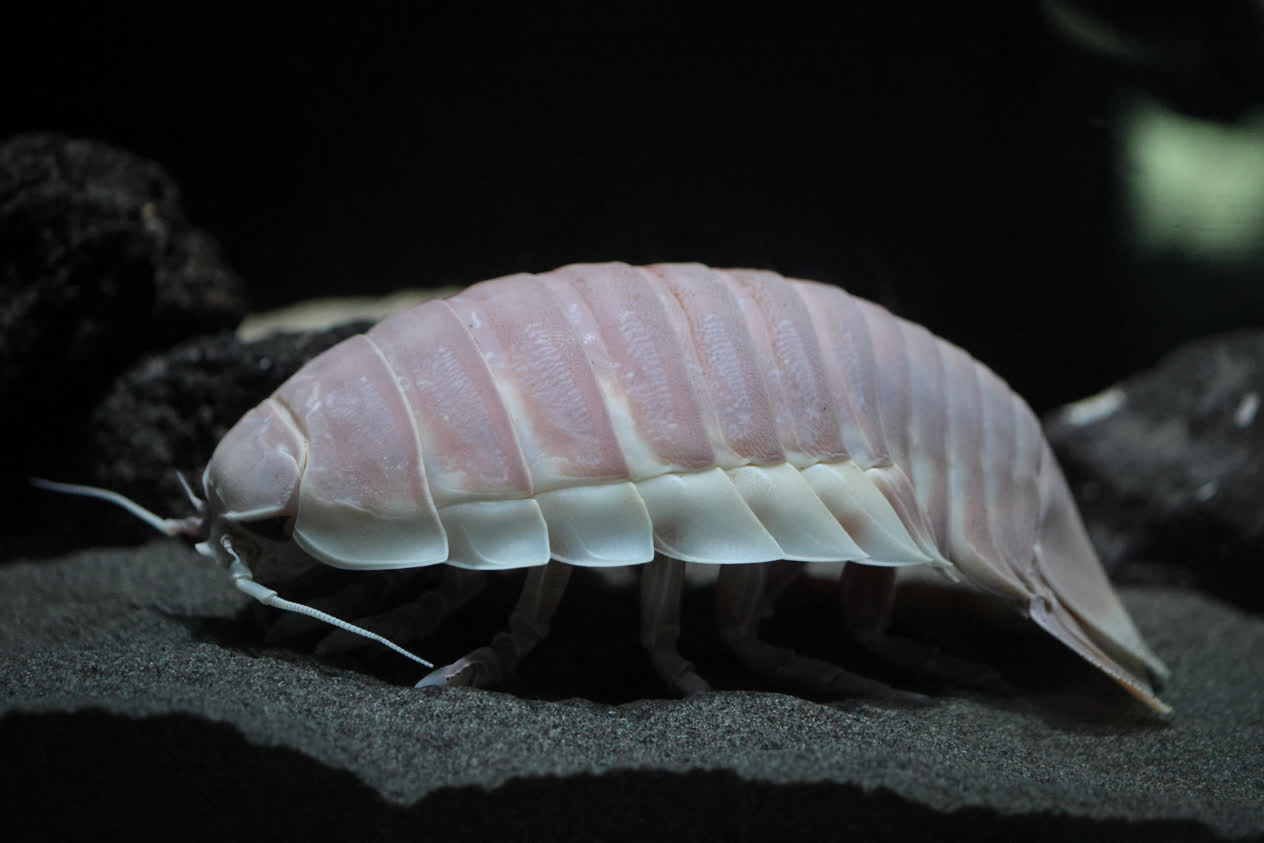
Isopods can be found in environments that range from deep ocean trenches to forest floors.
- Marine isopods thrive in coral reefs, coastal waters, and even extreme deep-sea conditions.
- Freshwater species inhabit rivers, lakes, and wetlands.
- Terrestrial isopods, often called woodlice or pill bugs, live in moist soil and under decaying logs.
This adaptability demonstrates their evolutionary strength. While marine species breathe through gills, terrestrial varieties have adapted specialized structures that allow them to survive on land, making them one of the few crustacean groups to successfully transition from water to land.
Masters of Adaptation
Isopods possess fascinating survival strategies that highlight their resilience.
- Some species can roll into a tight ball to protect themselves from predators.
- Deep-sea varieties have evolved large bodies to withstand high-pressure environments.
- Many can regenerate lost limbs, improving their chances of survival.
- Their exoskeleton provides defense while allowing flexibility for movement.
These traits enable isopods to flourish where many other organisms cannot. Their ability to adapt to changing conditions makes them an excellent example of evolutionary success.
Ecological Importance
Here postpods play a vital role in maintaining ecological balance.
- Terrestrial species break down decaying plant material, enriching soil health.
- Aquatic isopods contribute to nutrient recycling in water ecosystems.
- They serve as a food source for fish, birds, amphibians, and other wildlife.
By supporting nutrient cycles and food webs, isopods strengthen the ecosystems they inhabit. Their presence often indicates a healthy environment. Exotic pet enthusiasts often search for millipedes for sale to add unique, low-maintenance creatures to their fascinating collections.
Unique and Intriguing Behaviors
Beyond their ecological contributions, isopods display behaviors that continue to fascinate researchers and nature enthusiasts alike.
- Some marine species exhibit bioluminescent traits.
- Certain species form symbiotic relationships with other marine organisms.
- Terrestrial isopods show strong moisture-seeking behavior to maintain hydration.
These behaviors illustrate the complexity hidden within these small yet remarkable creatures.
Celebrating Nature’s Quiet Marvels
Isopods remind us that extraordinary diversity often exists in the smallest forms of life. Their adaptability, ecological value, and wide distribution reflect nature’s ingenuity. Whether found beneath a garden stone or deep within ocean trenches, isopods stand as a powerful symbol of resilience and biological innovation.
By appreciating these fascinating crustaceans, we gain deeper insight into the intricate systems that sustain life on Earth.
